
Monitoring Sensitive Ecosystems and Natural Areas
Date: 17 November 2026 | 11:00-12:30 CET
Register Now
About this Webinar
How can digital solutions help islands monitor and collect environmental data in sensitive ecosystems and natural areas? In this webinar, we explore this topic for areas such as coral reefs, marine reserves, hiking trails, etc.
Moderator
Cases & Speakers
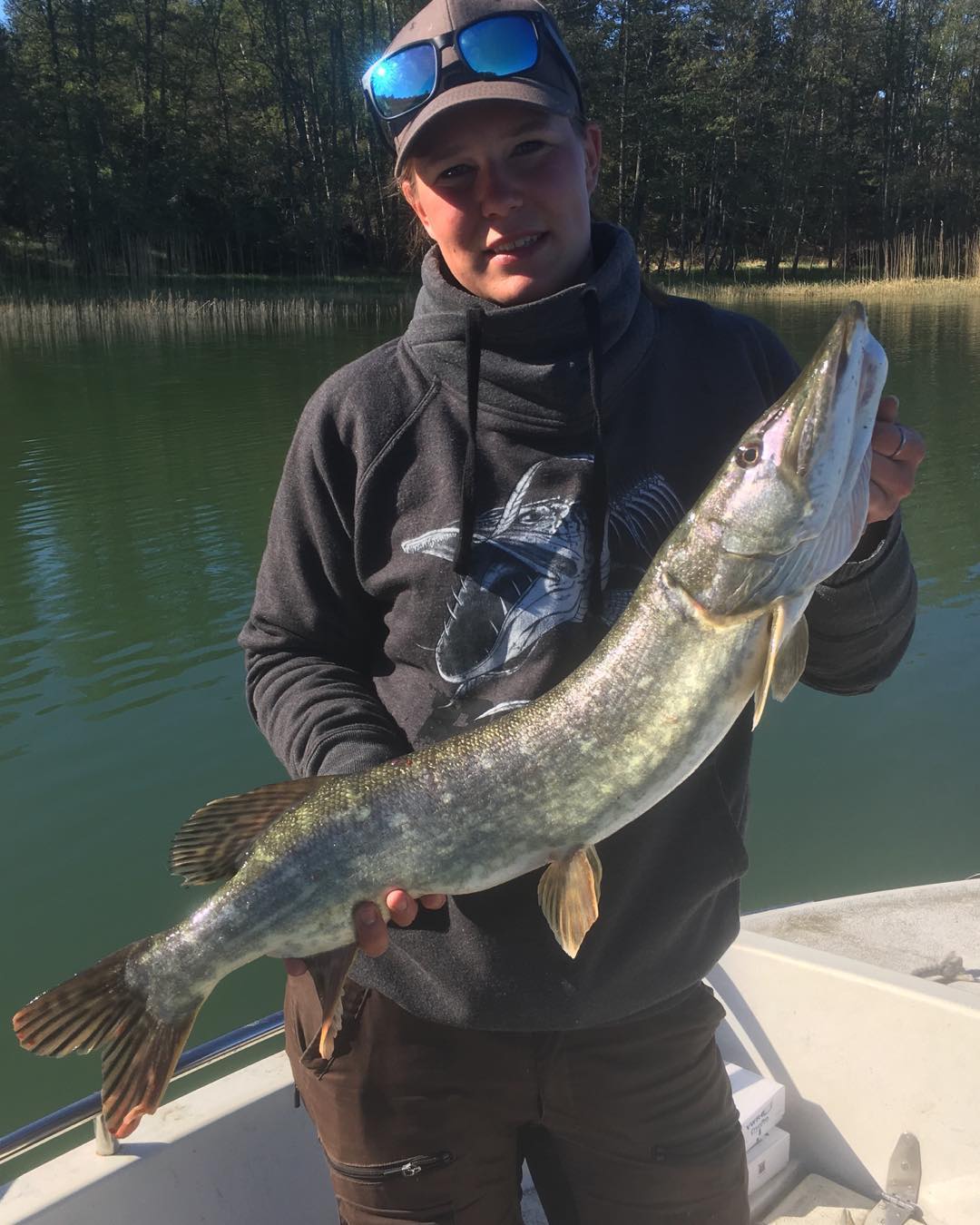
Linda Sundström
Head of the Fish Conservation Center at the Government of Åland
Presenting: Monitoring and restoring fish stocks around Åland islands
Linda is a biologist and work as the head of a unit called the "fish conservation center" for the Government of Åland. She has been working at the Government for almost ten years with different fish species. Her focus today lies in fish stocks around Åland islands, monitoring and restoration efforts. The unit where she works is also a restocking facility for three species of fish.
Eric Abadie
PhD - Overseas Representative of Ifremer, Réunion Island
Presenting: From Coral Reefs to Seabirds: Scalable AI, Photogrammetry & Multi-Sensor Monitoring for Marine Conservation
Eric is a marine science specialist at Ifremer Réunion, contributing to research and monitoring programs focused on the Indian Ocean’s coastal and pelagic ecosystems. He is known for his field expertise and his commitment to sustainable ocean management in the Réunion Island region.

Jean Marc Gancille
Communications and Outreach Manager at Globice Réunion
Presenting: Balèn Terla: Using tech for citizen science to log shore-based whale sightings and track migrations in the Indian Ocean.
Jean-Marc is responsible for communications, education, and citizen science activities at Globice Réunion. The NGO is dedicated to the study and protection of marine mammals in Réunion Island. It utilizes digital tools and citizen science applications to monitor cetaceans and raise public awareness.